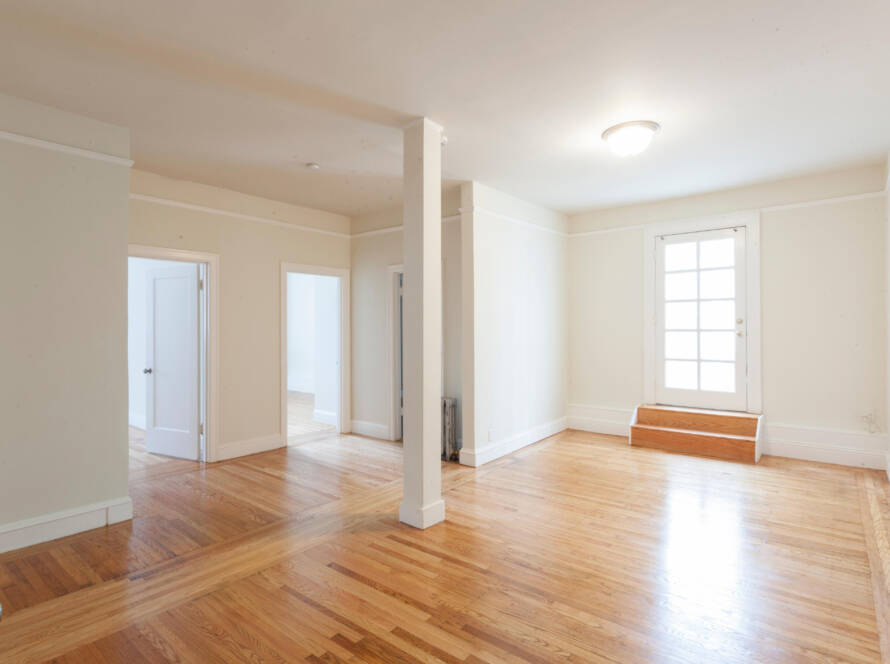
Wood floor refinishing changes more than just your floors — for a few days, it changes how your whole household runs. Furniture gets moved, rooms go off-limits, and there’s understandably some anxiety about dust, smell, and timing. If you’ve already decided your floors need it, the questions shift from “should I?” to “what do I actually need to do, and what happens once the crew arrives?”
This guide walks through exactly that: how to prepare your North NJ home before wood floor refinishing starts, what a realistic day-by-day timeline looks like, why the season you book in actually matters in New Jersey specifically, and how to take care of your floors in the weeks after so the results last.
Why Timing Matters for Wood Floor Refinishing in North NJ
New Jersey’s climate swings hard between seasons, and that matters more for wood floor refinishing than most homeowners expect. Wood is constantly absorbing and releasing moisture from the air, expanding slightly in humid months and contracting in dry ones.
Summers here bring high humidity, especially June through September. Winters bring the opposite problem — indoor heating systems dry the air out significantly, and wood floors contract in response. If refinishing happens during either extreme, it can affect how well the finish cures and how the boards behave once conditions shift back.
That’s why most experienced contractors aim for spring (April–May) or fall (September–October) when humidity is more moderate and stable. It’s not a hard rule — jobs happen year-round — but if your schedule is flexible, these windows typically give the most predictable results for wood floor refinishing.
For more on how humidity affects wood flooring long-term, the National Wood Flooring Association publishes independent technical guidance on moisture and wood movement.
How to Prepare Your Home for Wood Floor Refinishing: A Room-by-Room Checklist
Prep work makes a bigger difference than most people assume, both for how smoothly the job goes and for protecting the rest of your home from dust.
Before the crew arrives:
- Remove furniture from the rooms being worked on, or confirm with your contractor whether they’ll move it for you
- Take down curtains, blinds, or drapes that hang near the floor
- Remove area rugs and any floor vent covers
- Cover or seal HVAC return vents in the work area if your contractor doesn’t do this as part of their process — dust can travel through ductwork into other rooms
- Unplug and relocate electronics, lamps, and anything fragile on nearby shelves
- Clear a path for equipment to get in and out, including parking access if it’s tight
Family and pet logistics:
- Pets should not be in the work area — sanding dust and fumes from finish curing aren’t something you want them breathing, and open doors during equipment moves are an easy way for a pet to slip out
- Young kids and anyone with respiratory sensitivities are usually better off elsewhere for at least the sanding and staining stages
- If you work from home, plan on a different space for a day or two — the noise from sanding equipment is not background-noise-friendly
None of this needs to be complicated, but sorting it out a few days ahead — rather than the morning of — makes wood floor refinishing day go a lot smoother for everyone in the house.
What to Expect Day by Day During Wood Floor Refinishing
Every job is a little different depending on square footage and condition, but here’s a realistic shape of what a multi-day, full sand-and-refinish typically looks like:
Day 1 — Assessment and prep. The crew inspects the floor, removes any wax or contamination if present, and begins sanding. This is the loudest and dustiest phase, though most professional crews now use dust-containment sanding equipment that captures the majority of debris at the source.
Day 2 — Staining (if applicable) and first coat. If you’re changing the color of your floors, stain goes down after sanding is complete. The first coat of finish typically follows once the stain has set.
Day 3 — Additional coats and cure time. Additional polyurethane coats are applied, with drying time between each. Floors are usually walkable in socks within a day of the final coat, but full cure — safe for rugs and heavy furniture — takes longer.
It’s worth noting that this timeline is specific to full sanding and refinishing. If your floors only need a screen and recoat rather than a full sand, the process looks completely different — often start to finish in a single day, since it skips sanding to bare wood entirely. If you’re not sure which one applies to your floors, that’s exactly the kind of thing a free in-person assessment sorts out before any work begins.
Where Should You Be During Wood Floor Refinishing?
You don’t necessarily need to leave your home entirely, but you do need a plan for the rooms being worked on. Most homeowners either stay in an unaffected part of the house or arrange to be out during the sanding and finishing stages, especially if anyone in the household is sensitive to dust or finish odor.
Water-based finishes have largely replaced older oil-based ones in residential work, and they cure with significantly less odor — worth asking your contractor which they use if smell is a concern. Either way, plan on staying off the finished floors themselves until your contractor confirms they’re ready, even if the rest of the house is business as usual.
Caring for Your Floors After Wood Floor Refinishing
The first 30 days matter more than people expect, because the finish is still fully curing even after it looks and feels dry.
- Hold off on placing rugs back down for the timeframe your contractor specifies — trapping moisture against a curing finish can cause problems
- Use felt pads under furniture legs once you do move things back in
- Avoid steam mops and harsh all-purpose cleaners — they can cloud a fresh finish the same way they dull an older one, and a simple pH-neutral hardwood cleaner is a safer bet
- Keep humidity relatively stable indoors where you can (a small humidifier in dry winter months helps minimize gapping)
- Sweep or dry-mop regularly rather than wet-mopping in the first few weeks
Floors that are cared for this way after wood floor refinishing tend to hold their finish and shine considerably longer before needing attention again.
How Often Should You Realistically Plan for Wood Floor Refinishing?
Full refinishing isn’t an annual event — most floors go somewhere in the range of 7 to 10 years between full sand-and-refinish jobs, sometimes longer with good care. What extends that window is maintenance in between: a screen and recoat every few years refreshes the protective topcoat before it wears down to bare wood, which reduces how often full wood floor refinishing is actually needed.
Think of it less as “refinish when it looks bad” and more as a maintenance cycle — light upkeep in between the bigger jobs.
Choosing a Wood Floor Refinishing Contractor Who Won’t Disrupt Your Home
Beyond the quality of the finished result, the actual experience of having the work done matters — especially if you have kids, pets, or you’re working from home. A few things worth asking before you book:
- What dust-containment equipment do they use, and how much of the mess actually stays contained?
- How many days, realistically, will the work take for your square footage?
- Will they walk you through the timeline in writing, not just verbally?
- Are they insured, and do they carry recent, verifiable local reviews?
True Tone provides wood floor refinishing and maintenance services throughout Morris, Sussex, Passaic, Bergen, and Warren counties, and walks every homeowner through the specific timeline for their home before work starts — not a generic estimate.
Frequently Asked Questions
Do I need to move out of my house during wood floor refinishing? Not usually. Most homeowners stay in unaffected parts of the house, though the rooms actively being worked on are off-limits until the finish has cured enough to walk on safely.
Can pets stay in the house during the job? It’s best to arrange somewhere else for pets during sanding and finishing — dust, noise, and open doors during equipment moves all make it a risky environment for animals, even briefly.
How soon can I put rugs and furniture back down? This depends on the finish used, but most contractors recommend waiting at least a few weeks before placing rugs back down, since trapped moisture can interfere with a curing finish. Furniture with felt pads can typically go back sooner once the surface is fully walkable.
What’s the best time of year to schedule wood floor refinishing in North NJ? Spring and fall tend to offer the most stable humidity levels, which generally gives the most predictable curing and long-term results. That said, plenty of jobs are done successfully outside those windows with the right precautions.
Is the dust really as bad as people say? It depends heavily on the equipment used. Older sanding methods can send dust throughout a home; modern dust-containment sanders capture the large majority of it at the source, which is worth specifically asking about when you’re comparing contractors.
Planning Your Wood Floor Refinishing Project?
If you’re weighing timing, prep, or just want a realistic timeline for your specific home, a free estimate is the easiest way to get real answers instead of guesswork. Contact True Tone to walk through what wood floor refinishing would actually look like for your household.